Packaging
January 9, 2026
A Small Switch With a Big Impact: SWM International’s Straw Wrap Paper
Replacing the plastic wrapper on a drinking straw may appear insignificant, but when scaled across millions of units used every day in food service and beverage packaging, that small decision becomes meaningful. At SWM International, this mindset has driven the development of our straw wrap paper for straight and U-shaped straws, a solution designed to help brands transition away from flexible plastics in a simple, immediately actionable way.
From existing expertise to a new application
The journey began with existing know-how. SWM International had long been producing ultra-lightweight papers, and their unique properties: lightness, flexibility and sealing performance, made the team realize it could be purposed for straw wrapping. What began as an adaptation of an existing substrate evolved into a dedicated offer for two key applications:
- White paper tailored for straight straws
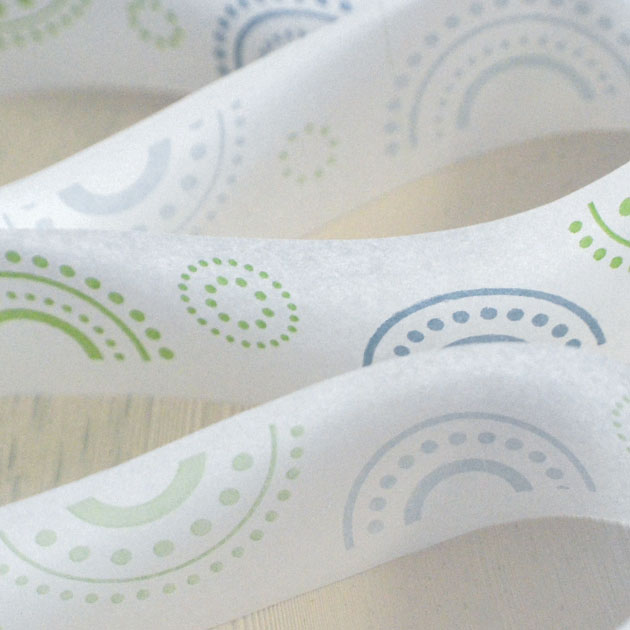
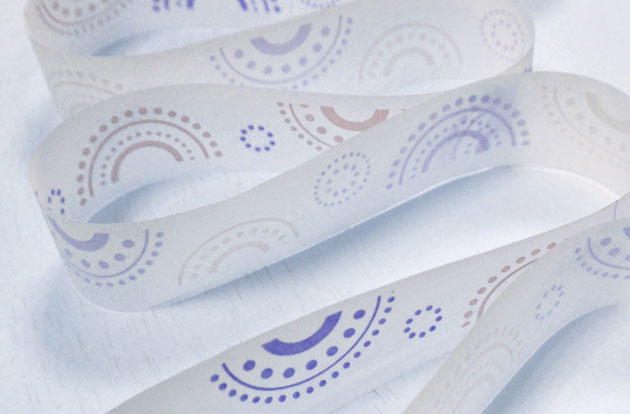
- Translucent paper designed for U-shaped straws
Today, SWM’s white paper is already commercialized for straight straws, while our translucent, heat-sealable version is currently generating strong interest among manufacturers and is undergoing machine trials.
Meeting market demand for sustainable transition
This interest is driven by a broader shift in consumer and regulatory expectations. Across Europe, brands are under increasing pressure to reduce plastics in single-use packaging. Consumers are also signaling a clear preference: surveys show that around 70% of people favor eco-friendly straw alternatives, and packaging using paper components is consistently perceived as more environmentally responsible than plastic-only formats.
For brands and converters, this makes the wrapper an obvious place to start. The switch is visible, meaningful and aligned with sustainability messaging, yet operationally, it remains relatively easy to implement.
Straw Wrap Paper: Designed for practicality and performance
A key advantage of SWM International’s straw wrap is its ultra-lightweight construction, which closely matches the thickness of plastic wraps and ensures smooth compatibility with standard wrapping machinery.
This also contributes directly to SWM International’s environmental commitments. As Anne-Laure Jaeckel, Product Manager, explains: “Using ultra-lightweight papers reduces resource use, less fiber, less energy, and fewer residues. Two of our key ESG pillars are preserving natural resources and reducing greenhouse-gas emissions, and this paper supports both.”
While lifecycle analyses sometimes show paper and plastic with similar emissions profiles, this comparison rarely includes a critical factor: end-of-life behavior. Flexible plastic wraps, when not properly recycled, persist in the environment for decades, whereas paper breaks down far more readily. For many brands, this distinction is a significant driver behind their shift to paper-based solutions.
A step that amplifies overtime
While replacing the wrapper on a straw will not solve the plastics challenge alone, it contributes to a cumulative shift that industries and consumers increasingly expect. For brands looking to demonstrate visible progress without major operational barriers, paper straw wrap is a natural starting point.
At SWM International, we believe that meaningful change often starts with the smallest components. And in the case of the straw wrapper, that small switch truly can make a big impact.