
Expertise
November 5, 2026
Navigating the Future of Heated Products: A Practical Guide
With sales of over 380 billion heat sticks expected by 2030, heated products are emerging as a strategic growth opportunity for manufacturers. By building on existing production capabilities, technical know-how, and brand equity, companies can explore new pathways while leveraging established assets.
Yet entering the category is far from straightforward. Manufacturers must navigate a complex combination of technology choices, product design considerations, manufacturing requirements, and evolving regulatory frameworks.
To help businesses address these challenges, SWM has developed a white paper that provides practical insights into the technologies, materials, and market dynamics shaping the future of heated products.
Understanding a Complex Product Ecosystem
Heated products integrate multiple components that must work together seamlessly to deliver a consistent consumer experience. Manufacturers must evaluate how heating technologies interact with consumable stick designs, aerosol-generating materials, filtration systems, specialty papers, and production processes. Decisions made in one area often influence performance, manufacturability, product consistency, and even regulatory compliance.
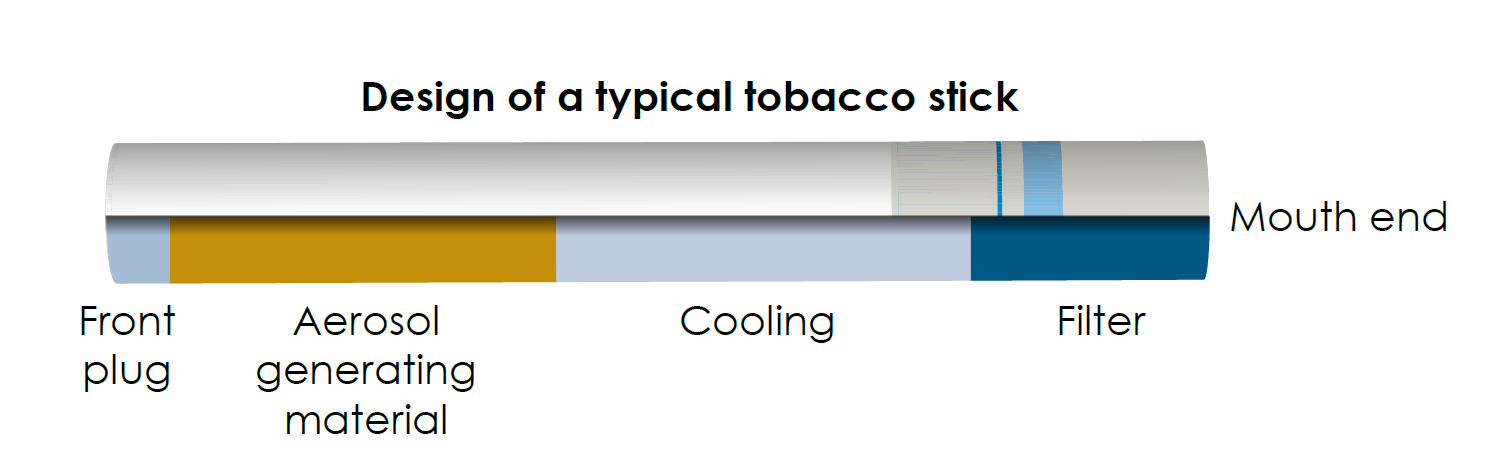
For example, a change in the heating temperature may require adjustments to the aerosol-generating substrate, while modifications to the cooling or filtration segments can significantly affect aerosol delivery, draw resistance, and sensory perception. Optimizing one element therefore often requires redesigning several others.
The white paper provides structured overview of these interconnected elements, helping manufacturers better understand the technical foundations and the factors that drive successful product development.
Accelerating Development Through Better Technology Choices
One of the most critical decisions facing manufacturers is the selection of the heating device and consumable architecture. Different heating technologies, such as blade-based systems, induction heating, or external heating approaches, can each create distinct requirements in terms of consumable design, manufacturing processes, product performance, and investment levels.
The white paper reviews the major technologies currently used across the category and outlines the key factors to be considered when evaluating different pathways. By understanding these considerations early in the design process, companies can reduce the risk of costly changes.
From Concept to Industrialization
Bringing a new product to market requires more than a promising concept. While many designs perform well in laboratory environments, not all can be manufactured efficiently and consistently at industrial scale.
Successful development therefore requires balancing innovation with practical manufacturing considerations. Material compatibility, process efficiency, product consistency, quality control, and scalability play a crucial role in determining whether a product can be successfully commercialized. The white paper examines these challenges and highlights the importance of incorporating industrialization requirements from the earliest stages of product design.
SWM can conduct tests and modeling in its dedicated laboratories covering aerosol performance, tobacco substrates, and sensory evaluation. We can also guide manufacturers through the next stages of development and connect with trusted industry partners when needed.
Navigating a Changing Regulatory Environment
The regulatory landscape for heated products continues to evolve around the world. Considering that in 2025, the category achieved more than 10% market share in 18 markets worldwide, the diversity in regulations can create additional complexity for manufacturers operating across multiple markets. Regulatory requirements may vary significantly from one country to another, covering areas such as ingredient reporting, emissions testing, packaging requirements, product registration procedures, and sustainability obligations.
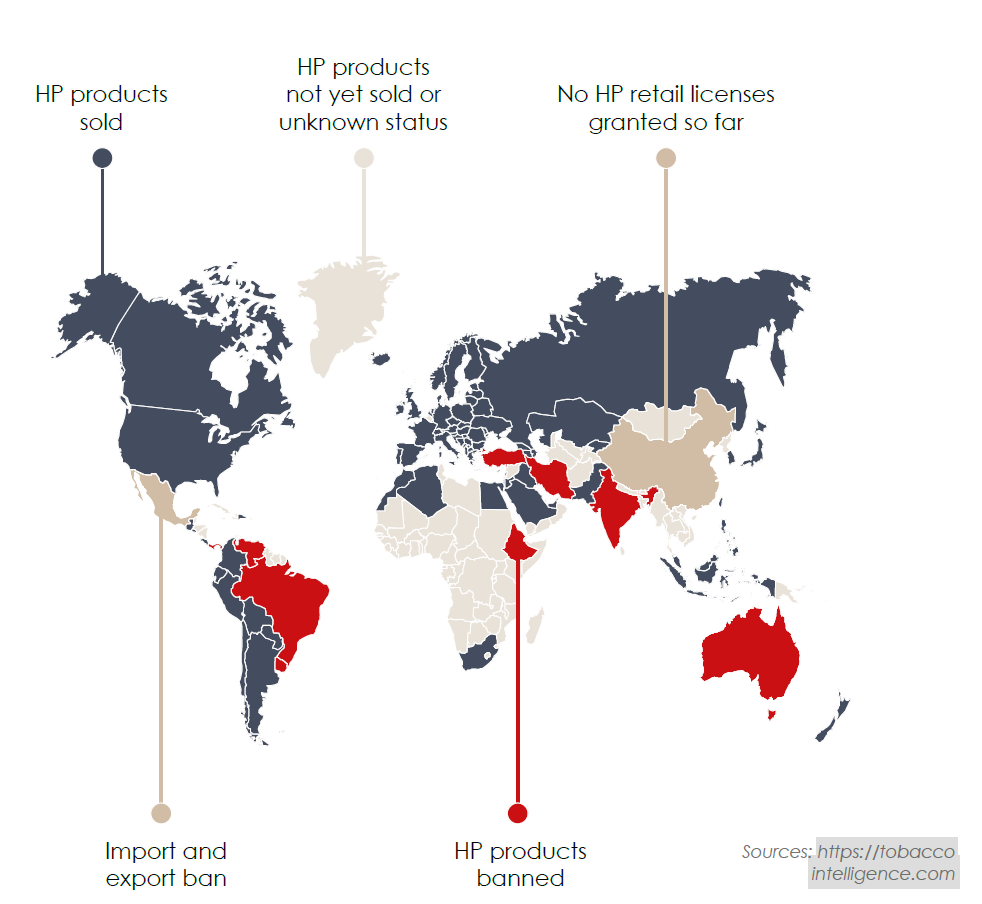
The white paper provides an overview of these broader trends and explains why regulatory considerations should be treated as a priority. Integrating compliance requirements into product development strategies from the outset can help manufacturers avoid delays and improve market readiness.
A Resource for Manufacturers
SWM’s white paper was developed to provide manufacturers with a comprehensive overview of the category. It examines market evolution, product technologies, raw material selection, manufacturing challenges, regulatory considerations, and emerging industry trends.
By consolidating these topics into a single resource, we help manufacturers make more confident strategic and technical decisions. As a supplier of aerosol-generating materials, filtration solutions, and specialty papers used throughout the heated ecosystem, SWM brings a unique perspective across multiple components and product creation stages.